

Jackery HomePower 3000 vs Explorer 2000 v2: Which Backup Battery Fits Your Home or RV?
Share
Choosing a backup battery is easier when you separate three questions: what must keep running, how much power those devices require at the same time, and how long you want them to run. The largest power station is not automatically the best fit. A unit that is easy to move and recharge may be more useful for an RV or short outage, while a higher-output station can be a better foundation for essential home loads.
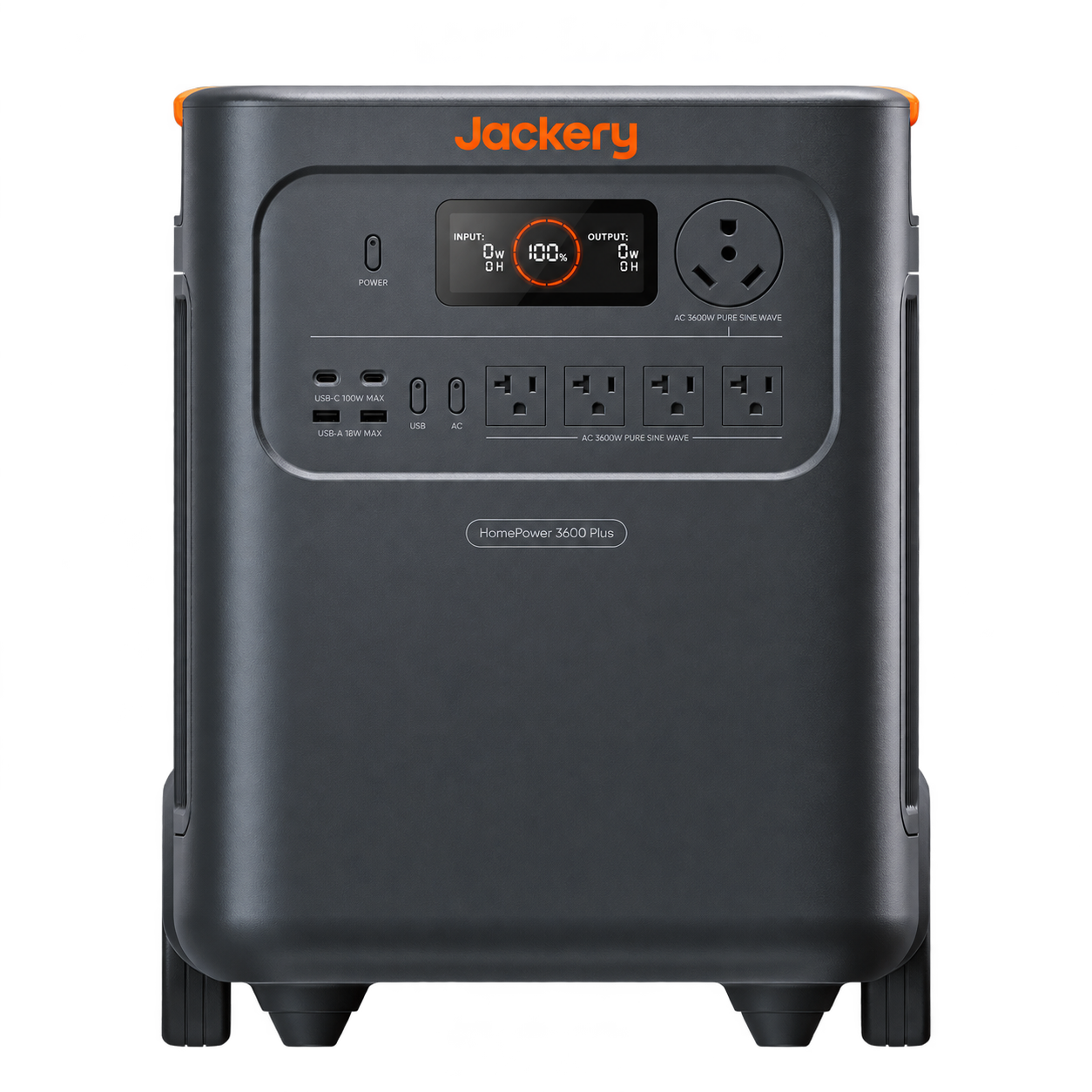
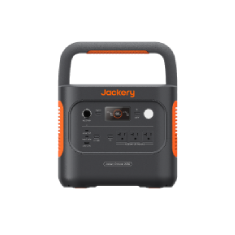
The Jackery HomePower 3000 and Explorer 2000 v2 serve different priorities. HomePower 3000 provides 3,072Wh of stored energy and 3,600W of rated output. Explorer 2000 v2 provides 2,042Wh and 2,200W of AC output in a 39.5 lb portable format. Those differences affect what you can run, how long it may run and how often you will want to move the station.
First, understand capacity and output
Capacity, measured in watt-hours, is the energy stored in the battery. Output, measured in watts, is the amount of power the station can deliver at one time.
A refrigerator may use modest power once running but draw more during compressor startup. A coffee maker, microwave, space heater or power tool can add a large load quickly. That is why adding appliance wattages matters more than choosing by product name alone.
Estimated runtime ≈ usable battery energy ÷ total running watts
Real runtime will be lower than the nameplate calculation because of inverter losses, temperature, appliance cycling and startup demand. Treat online runtime examples as planning estimates, not guarantees.
When HomePower 3000 is the stronger fit
HomePower 3000 is the better starting point when your priority is higher simultaneous output or a longer essential-load window. Its 3,600W output gives more room for overlapping household loads than the 2,200W Explorer 2000 v2. Its 3,072Wh capacity also provides roughly 50% more stored energy than a 2,042Wh station before real-world losses.
It may be the better choice if you want to support a refrigerator and freezer while also keeping networking equipment, lights or another moderate appliance available. The exact combination still depends on each device’s label wattage and startup demand.
HomePower 3000 is not a promise to power an entire home. Whole-home or circuit-level backup requires the correct transfer equipment, compatible configuration and qualified installation. Before ordering, list the devices you want to run and confirm both their running and starting loads.
Best for: essential home backup, higher overlapping loads and buyers who value more stored energy over frequent portability.
When Explorer 2000 v2 is the better fit
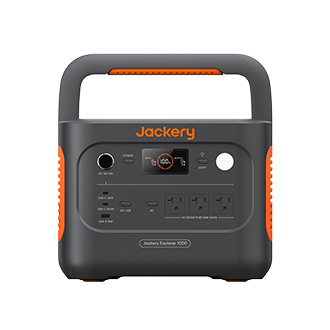
Explorer 2000 v2 makes sense when mobility is part of the job. At 39.5 lb, it is easier to reposition for an RV trip, campsite, workshop or targeted backup location. Its 2,200W AC output covers many common portable-power uses, provided the combined load stays within the unit’s limits.
It is a practical option for a refrigerator or portable fridge, lights, communications equipment and selected RV devices. It is also easier to justify when you do not need the additional capacity and output of a 3,000Wh-class unit.
Best for: RV and campsite use, targeted outage backup, jobsite mobility and customers who expect to move the station regularly.
Should you step up to EcoFlow TITAN 5000?
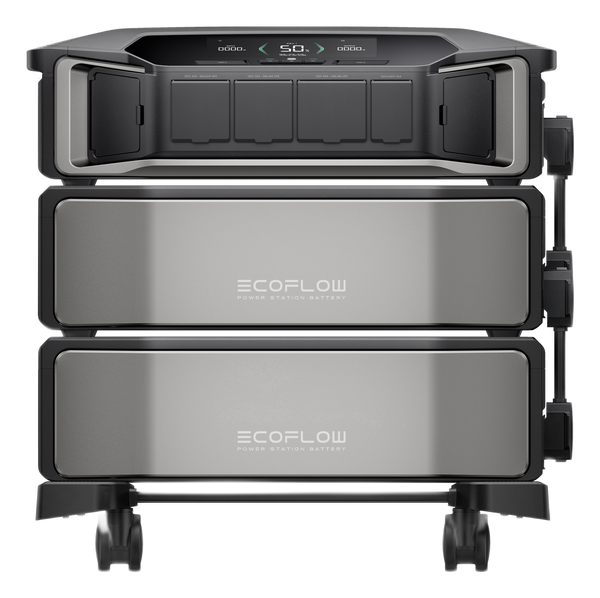
A higher-capacity system such as EcoFlow TITAN 5000 belongs in a different decision stage. Consider it only after confirming that the smaller stations cannot provide the runtime, output or expansion path your load plan requires.
The right comparison is not “Which product has the biggest number?” It is “Which complete configuration safely supports my loads, charging plan and installation?” A larger system can add cost, weight and setup requirements. LIVVOLT should verify the exact TITAN 5000 configuration, included components, live inventory and current specifications with you before purchase.
A five-minute sizing checklist
- Write down every device you consider essential.
- Record each device’s running watts and, where applicable, startup watts.
- Add only the devices that may run at the same time.
- Decide how many hours of backup you need between charges.
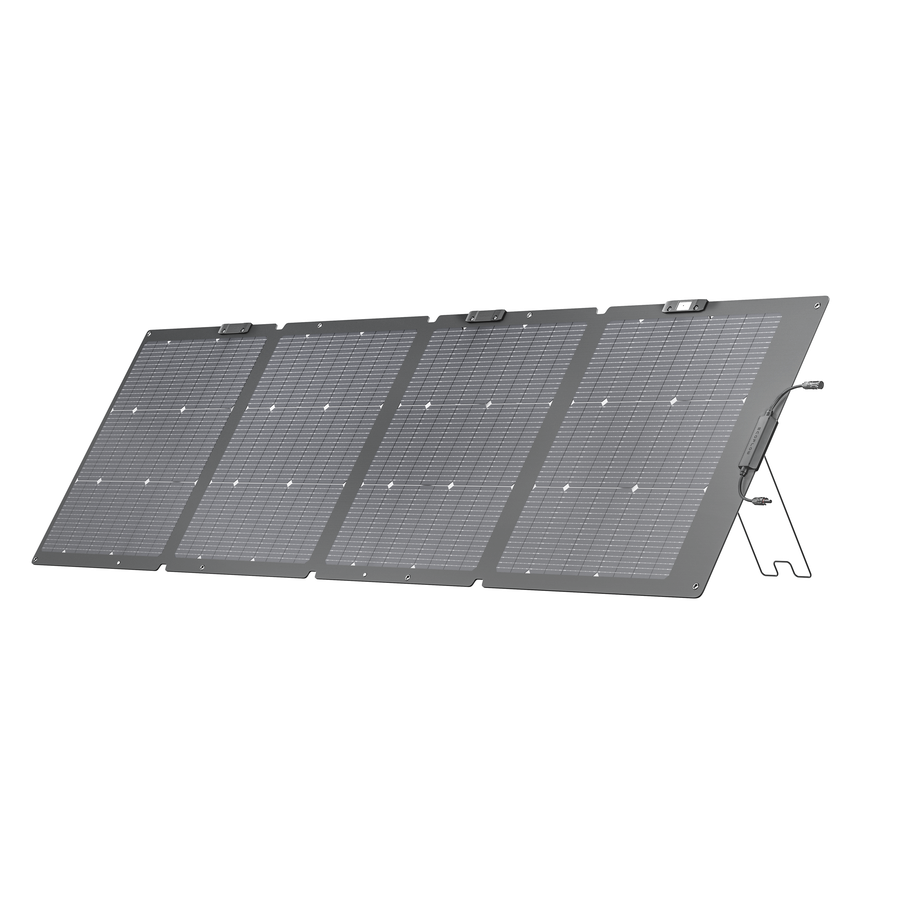
- Choose how you plan to recharge: wall power, vehicle charging or compatible solar input.
Leave margin rather than designing a system that operates at its limit. Weather, battery temperature, panel conditions and appliance behavior all affect real-world results.
Quick recommendation
Choose Jackery HomePower 3000 when higher output and longer essential-load coverage matter most. Choose Jackery Explorer 2000 v2 when portability and focused backup are more important. Ask LIVVOLT to qualify EcoFlow TITAN 5000 when your load worksheet shows that a larger, expandable configuration is genuinely necessary.
Need help sizing your system? Send LIVVOLT a photo of each appliance label or a list of running and starting wattages. We will help you compare configurations before you order. Check each product page for current availability and shipping status.