


Boat & Marine Power 2026: Quiet, Fume-Free Energy On the Water
A gas generator on a boat is a bad idea dressed up as convenience: carbon monoxide in a enclosed cabin, flammable fuel sloshing on deck, and a noise that ruins the whole point of being on the water. A portable power station flips that — silent, fume-free, and safe to run next to your cooler. Whether you captain a fishing boat, a sailboat, or a pontoon, a station gives you house power without the danger.
This guide covers what a boat actually draws, how to size a station for it, and how to keep it charged while you're anchored out.
1. What a boat actually draws
Most boats run on a 12V house battery for navigation and lights, but the comforts need 120V AC: phone and GPS chargers, a fish finder, a laptop, a coffee maker, LED cabin lights, a small microwave, and sometimes a bilge or livewell pump. Add a trolling motor and you're into DC territory — that's what the TRAIL DC line is built for.

2. Sizing your station for the boat
| Station | Capacity | Best for |
|---|---|---|
| RIVER 3 | 245Wh | Phones, GPS, LED lights, small fish finder |
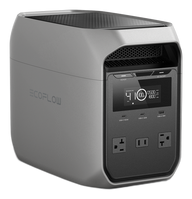
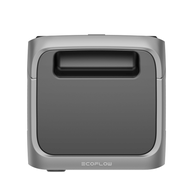
| DELTA 3 | 1,024Wh | Cabin lights, laptop, coffee maker, weekend trips |
| DELTA 3 Max | 2,048Wh | Microwave, multiple devices, overnight house power |
| DELTA Pro 3 | 4,096Wh | Whole-cabin backup + 240V loads + trolling support |
A day of casual boating — phones, a fish finder, cabin LEDs, and one coffee run — pulls about 400–600Wh. A weekend anchored out with a small microwave and laptop needs 1.5–2kWh of station capacity.
3. A shore-power alternative
When the marina's shore power is down, or you drop the hook in a quiet cove, a station becomes your silent shore power. No extension cord to the dock, no generator droning through dinner. Pair a DELTA 3 Max with a 220W solar panel and you can run cabin essentials for days.

4. Charging on the water
- From the boat's 12V outlet: plug the station into the cigarette-style port while the engine runs; the alternator tops it up.
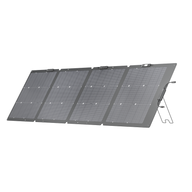
- From a deck solar panel: a folding 220W panel lays flat on the bow and feeds the station all day at anchor.
- From shore power when docked: charge the station overnight so you leave the marina full.
5. Marine safety notes
- Secure it. Mount or strap the station so it can't slide in a wake. Water and lithium don't mix.
- Keep it dry. Stations are splash-resistant, not submersible. Store in a cabin locker or sealed compartment.
- No fumes, no CO. Unlike a generator, you can run it inside the cabin safely — that's the whole point.

Ditch the onboard generator
A RIVER 3 or DELTA 3 on the boat means no fuel cans, no CO alarms, no noise complaints from the next slip. Every Livvoltpower station is new, dealer-backed, and warrantied.
Shop Boat Power Stations →6. FAQ — boat power with a portable station
Can a portable station run my trolling motor?
For a small trolling motor, use the TRAIL DC — it outputs clean 12V/24V DC built for anglers. A standard AC station can run a trolling motor through an inverter, but the DC line is far more efficient.
Will it replace shore power?
For lights, chargers, and small appliances, yes — for a weekend or more with solar. For air conditioning or an electric stove, you'll still want shore power or a large 240V setup.
Can I charge it from the boat engine?
Yes. Plug it into the 12V outlet while the motor runs, the same way you'd charge a phone. The alternator does the work.
Livvoltpower is an authorized EcoFlow dealer. Every station ships with a 5-year warranty and US-based support. Runtimes and outputs depend on your specific devices and conditions; verify against your model before purchase.