


Fishing & Kayak Power 2026: Keep Your Gear Running with TRAIL DC

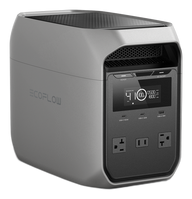
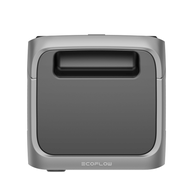
Anglers run more electronics than ever on the water: fish finders, GPS, livewell pumps, phones, action cameras, and the ever-present phone charger. None of it works if your 12V battery is dead by 2pm. A portable DC power station like the EcoFlow TRAIL 300DC or TRAIL 200DC brings the same kind of clean, silent power you use at home — but built for the splash, salt, and bumps of a real day on the water.
This guide covers what gear needs power, how to size it, and how to wire a TRAIL to a kayak, jon boat, or bass boat without rewiring the hull.
1. What you actually need to power on the water
- Fish finder / GPS: 0.5–2A at 12V — about 6–24W. The single biggest load on most small craft.
- Livewell pump: 1–3A at 12V — 12–36W when running, on a timer or continuous.
- Phone / camera charging: 5–20W while the device is active.
- LED deck lights or spreader lights: 10–40W for an evening bite.
- Trolling motor (small): 30–50A at 12V — too much for a portable station. Use the dedicated marine battery.
Add it up and a typical day of fishing electronics pulls 100–250Wh — exactly the sweet spot of a TRAIL DC.
2. Why DC beats AC on a boat
Most marine electronics run on 12V DC natively. If you plug a normal AC power station into a DC device, you're burning 10–15% of the energy in the inversion step. A native DC station, like the TRAIL 300DC, outputs 12V and USB-C directly — no inverter, no waste, no fan noise. That efficiency wins you an extra 1–2 hours of runtime per day on the water.

3. TRAIL 300DC vs TRAIL 200DC
| Model | Capacity | Output | Best for |
|---|---|---|---|
| TRAIL 200DC | 192Wh | 12V DC + USB-C | Kayak, jon boat, short days |
| TRAIL 300DC | 288Wh | 12V DC + USB-C + wireless | Full-day trips, extra gear |
The TRAIL 300DC adds wireless charging on top, which is a lifesaver when your phone is the chartplotter.
4. Kayak setup: fit, mount, and keep it dry
A TRAIL 200DC weighs about 4 lb and fits in most kayak hatches. Three rules for kayak anglers:
- Use a small dry bag. Even though the TRAIL is IP-rated, a $15 dry bag is cheap insurance against swamped hatches.
- Mount the fish finder battery to the TRAIL. Most fish finders have a 12V input port — pigtail the power lead to the TRAIL's 12V output and forget about AA batteries forever.
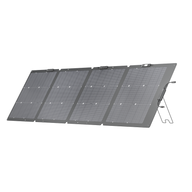
- Charge at the launch. A 100W folding panel clipped to the kayak's deck in sun tops the TRAIL while you fish. Two-hour lunch and you're back to 80%.
5. Boat and bank-fishing setups
On a jon boat or bass boat, the TRAIL 300DC sits in a crate or rod box and runs the livewell pump, fish finder, and phone charging all day. The 288Wh is enough for ~10 hours of typical mixed use. At the bank, the wireless charging pad on top of the 300DC makes it a beach-chair dock for phones and action cameras.
For multi-day trips, drop a 100W or 220W folding panel in the boat. The TRAIL charges from 11–30V DC input, so any panel with an MC4 connector works. Drive in, deploy the panel, fish the evening bite, drive home with a full battery.
6. Care tips on the water
- Rinse after saltwater. A quick freshwater rinse and dry-recharge before storage keeps the ports from corroding.
- Don't leave it in a hot truck. LiFePO₄ cells hate 140°F trunks. Bring the TRAIL into the cabin or under a seat.
- Charge to ~80% for long-term storage. A LiFePO₄ cell stored at 100% loses capacity faster than one stored at 70–80%. See our care guide for the full storage playbook.

7. FAQ — fishing & kayak power
How long will a TRAIL 300DC run a fish finder?
A typical 1A fish finder pulls about 12W. The TRAIL 300DC's 288Wh runs it for ~24 hours straight — a full weekend of fishing without recharging.
Can a TRAIL DC run a trolling motor?
No. Trolling motors draw 30–50A at 12V — well beyond the TRAIL's output. Use a dedicated deep-cycle marine battery for the motor; the TRAIL handles electronics and accessories only.
Is the TRAIL waterproof?
It has an IP65-style rating on the body, but the ports should stay dry. Use a dry bag in heavy spray or rain. See the spec sheet for the exact rating.
Can I charge a TRAIL from my boat's 12V outlet while running?
Yes — plug the included 12V car adapter into the boat's aux outlet and the TRAIL charges at 100W while the engine runs. Park at the ramp with a full TRAIL.
Fish longer, charge less
The TRAIL DC line is built for the water. Every Livvoltpower unit ships new, dealer-backed, with a 5-year warranty and US-based support — so the only thing you lose is the boat-battery anxiety.
Shop TRAIL DC →Livvoltpower is an authorized EcoFlow dealer. TRAIL specs verified against EcoFlow manufacturer data; check the live product page for the latest firmware and accessories.