


PAP Battery Backup 2026: Keep Medical Devices Running

If you rely on a CPAP machine, a power outage is not just annoying. It's a night without the therapy that keeps you breathing. Most American grids are under more stress than ever — heat waves, winter storms, and wildfire shutoffs now leave homes dark for hours or days. The old fix was a gas generator, but nobody wants a fumes-and-noise box next to the bed. A portable power station is the quiet, bedroom-safe answer.
This guide covers how to pick a CPAP battery backup, how long it runs, and how to keep oxygen and other medical devices alive through any outage.
1. Why CPAP users can't just wait it out
- Therapy stops at midnight. A 6-hour outage that starts at 11pm is a full night lost. For people with moderate-to-severe apnea, that means real health risk, not just grogginess.
- Low draw, long need. A typical CPAP draws 30–60W. That's modest — but it runs all night, every night, so capacity math matters.
- No fumes allowed. Bedrooms need indoor-safe power. A gas generator is a carbon-monoxide hazard inside and illegal to run there.
2. How long will a station run your CPAP?
Runtime is simple division: battery watt-hours ÷ device watts. Here's the realistic picture with real EcoFlow numbers:
| Setup | Capacity | CPAP runtime (no humidifier) |
|---|---|---|
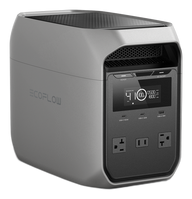
| RIVER 3 | 245Wh | ~4–6 hours |
| DELTA 3 | 1,024Wh | ~18–28 hours |
| DELTA Pro 3 | 3,000Wh | ~55–90 hours |
| DELTA Pro 3 + extra battery | up to 12kWh | multiple nights + whole home |
Add a heated humidifier and expect roughly 25–35% shorter runtimes — the heating element is the second-biggest load after the motor. See our sizing guide for the full watt-hour math.

3. Pick the right capacity
- One night, CPAP only: a RIVER 3 covers a single night and fits in a nightstand drawer.
- Two to three nights or shared use: a DELTA 3 (1,024Wh) is the sweet spot for most bedrooms.
- CPAP + the rest of the home: the DELTA Pro 3 keeps your machine going for days while also running the fridge, router, and lights.
- Oxygen concentrators & higher draws: these pull far more than a CPAP (often 300W+). Step up to the DELTA Pro (Classic) or a DELTA Pro 3 with expansion batteries.
4. Humidifier and pass-through tips
Heated humidifiers are the silent runtime killer. Three options: turn the humidifier to "pass-through" or off on outage nights, use a room humidifier instead, or simply size up the battery. All EcoFlow stations support pass-through charging — plug the station into the wall and your CPAP into the station, and it runs while topping up.
5. Solar keeps therapy going for days
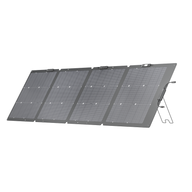
A multi-day outage is where a station beats any single battery. Add a 400W solar panel and a DELTA Pro 3 replenishes in daylight — so a three-day storm never means a missed night. Even apartment dwellers can run a balcony panel.

6. Set up in two minutes
- Keep it charged. Leave the station on wall power so it's full the moment an outage hits.
- Plug in the CPAP. Use the AC outlet; the machine won't know the difference from wall power.
- Sleep. The unit is silent and fume-free — safe beside the bed.
7. FAQ — CPAP & medical backup
Will a portable power station run my CPAP all night?
Yes. A DELTA 3 runs a typical 40W CPAP for 18+ hours — easily a full night with margin. A RIVER 3 covers a single night.
Can it power an oxygen concentrator?
Concentrators draw 300W or more, so use a DELTA Pro 3 or larger. Always check your device's exact wattage on its label before sizing.
Is it safe in the bedroom?
Yes — no combustion, no carbon monoxide, and silent. That's the whole point versus a gas generator.
Sleep through the next blackout
Every Livvolt station ships as a new, dealer-backed unit with a 5-year warranty and US-based support — so the medical device you depend on is never a refurb gamble.
Shop Medical-Grade Backup →Livvoltpower is an authorized EcoFlow dealer. Every unit ships with a 5-year warranty and US-based support. Specs reflect manufacturer data; consult your device label for exact draw.